Fuel-saving push gains support, but legal and insurance hurdles remain.
India fuel crisis
Prime Minister Narendra Modi has called on citizens to save fuel by carpooling. This plea comes amid worries about a potential shortage of petrol and diesel due to tensions in the Middle East. As a result, several ministers and officials have already cut the number of vehicles in their convoys.
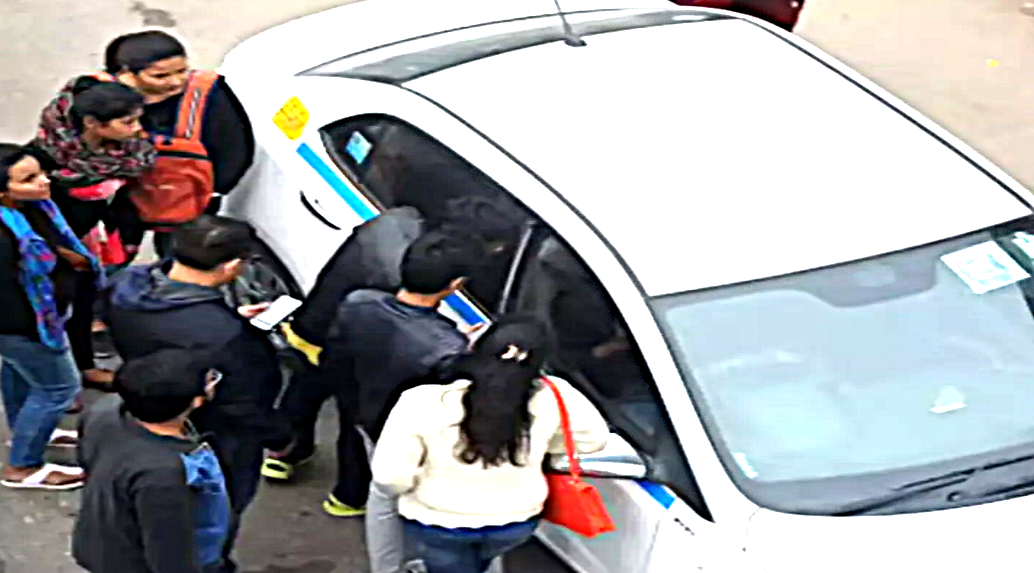
Carpooling lets people traveling to the same place share one vehicle. This practice helps reduce fuel use and ease traffic jams. While many countries encourage this system, India still struggles with legal and practical issues. In cities like Delhi, Bengaluru, and Mumbai, private car owners are worried about fines from transport authorities and pushback from taxi unions.
According to the Motor Vehicles Act of 1988, private vehicles with white number plates cannot be used for commercial purposes to make a profit. Additionally, insurance companies might deny claims if a private car involved in an accident was used for paid ridesharing.
Experts think carpooling can be a practical solution during fuel shortages if the government establishes clear rules, provides insurance coverage, and creates a straightforward revenue-sharing model. Moreover, the government could add carpooling features to the Bharat Taxi platform to make shared travel safer, legal, and more user-friendly.
India fuel crisis