Sacred rituals, yajna, and Banajaga tradition kickstart preparations at Jagannath Temple
Puri chariot construction
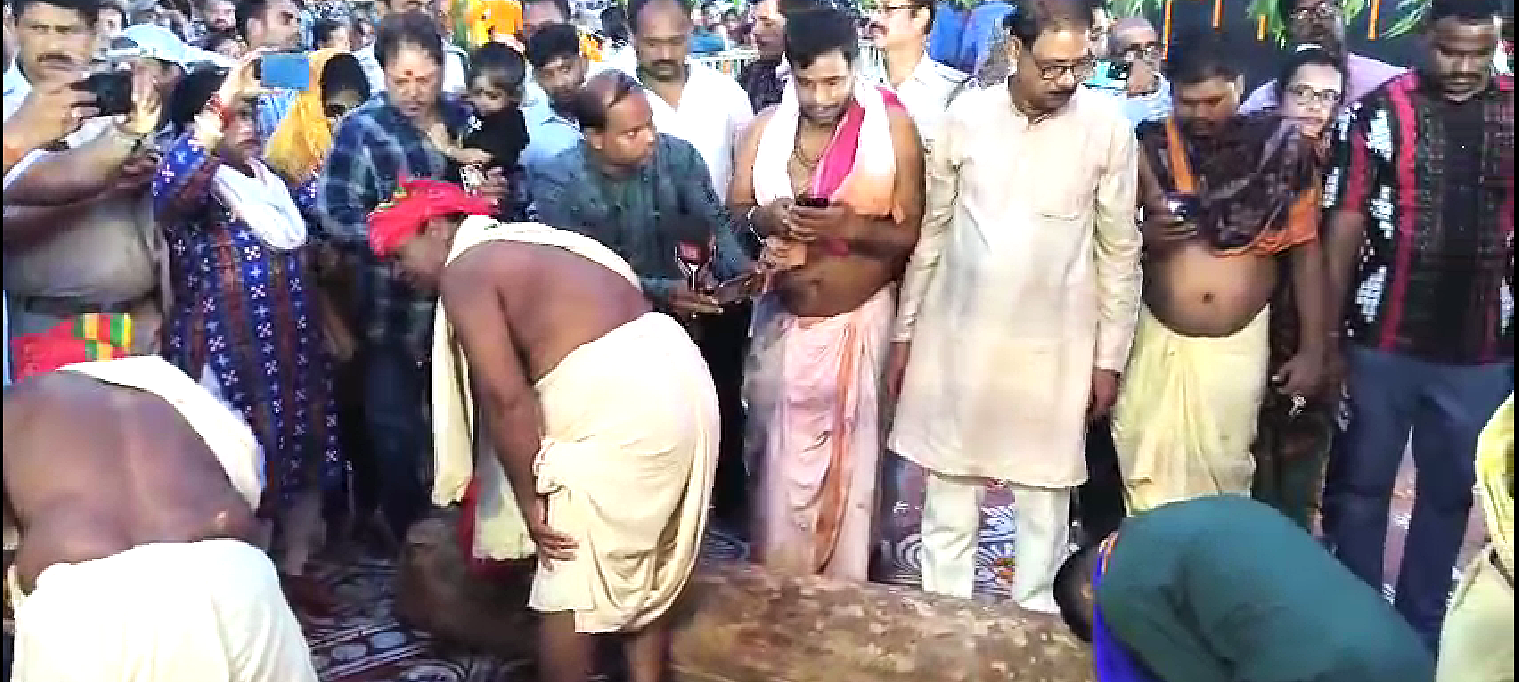
On Akshaya Tritiya, folks kicked off the chariot construction for the Rath Yatra in Puri, sticking to all the age-old rituals. Right after the midday offering, temple attendants brought three sacred garlands from the Jagannath Temple—like a green light from the deities. That signaled the start of the Banajaga ritual, meaning the construction could officially begin.
Priests, the royal advisor, and a group of Vedic scholars gathered around a special altar and performed a yajna. Lord Narasimha, the main deity for this part, was honored with Vedic chants and offerings.
Before the real work began, the temple priest took three small golden axes and touched the wood meant for the chariots. These axes had been blessed with mantras dedicated to Goddess Dakshina Kali, so it was pretty symbolic. After that, the Vishwakarma artisans jumped in and got started.
Key servitors came together—the chief Vishwakarma, chief Bhoi, painters, sculptors, and blacksmiths, known as the Dasa Maharana. They followed tradition, tying ceremonial cloth (Sari Bandha) around their heads as part of their rituals.
Several important guests showed up, like the temple’s Chief Administrator Aravind Padhee, District Collector Divya Jyoti Parida, and Puri SP Prateek Singh. They prayed and sought blessings for a smooth and successful Rath Yatra this year.
And over at Narendra Tank, the 21-day Bahara Chandan Yatra kicked off. The movable idols—Madan Mohan, Bhudevi, Sridevi, Rama-Krishna, and the Panch Mahadevas—will spend twenty-one days enjoying water sports on decorated boats. It’s a festive stretch, with the deities celebrated on the water for nearly a month.
Puri chariot construction